
Whoa! That first time I clicked “Connect” on a Solana app, my heart skipped. I’d toyed with wallets before, but something felt off about the clunky UIs and slow confirmations. Initially I thought browser wallets would all be the same—messy, insecure, bloated—though actually Phantom surprised me with speed and a slick interface that made sending SOL feel almost casual. My instinct said: this is usable. Seriously?
Okay, so check this out—Phantom started as a lightweight browser extension built for the Solana ecosystem; it handles SOL, SPL tokens, NFTs, and dApp connections without turning your browser into a slow zoo. I’ll be honest: I’m biased toward clean UX, and Phantom nails that. On the other hand, it’s not perfect—there are tradeoffs around privacy and centralized components (more on that later). But for users wanting a straightforward DeFi and NFT experience on Solana, it’s one of the easiest entries.
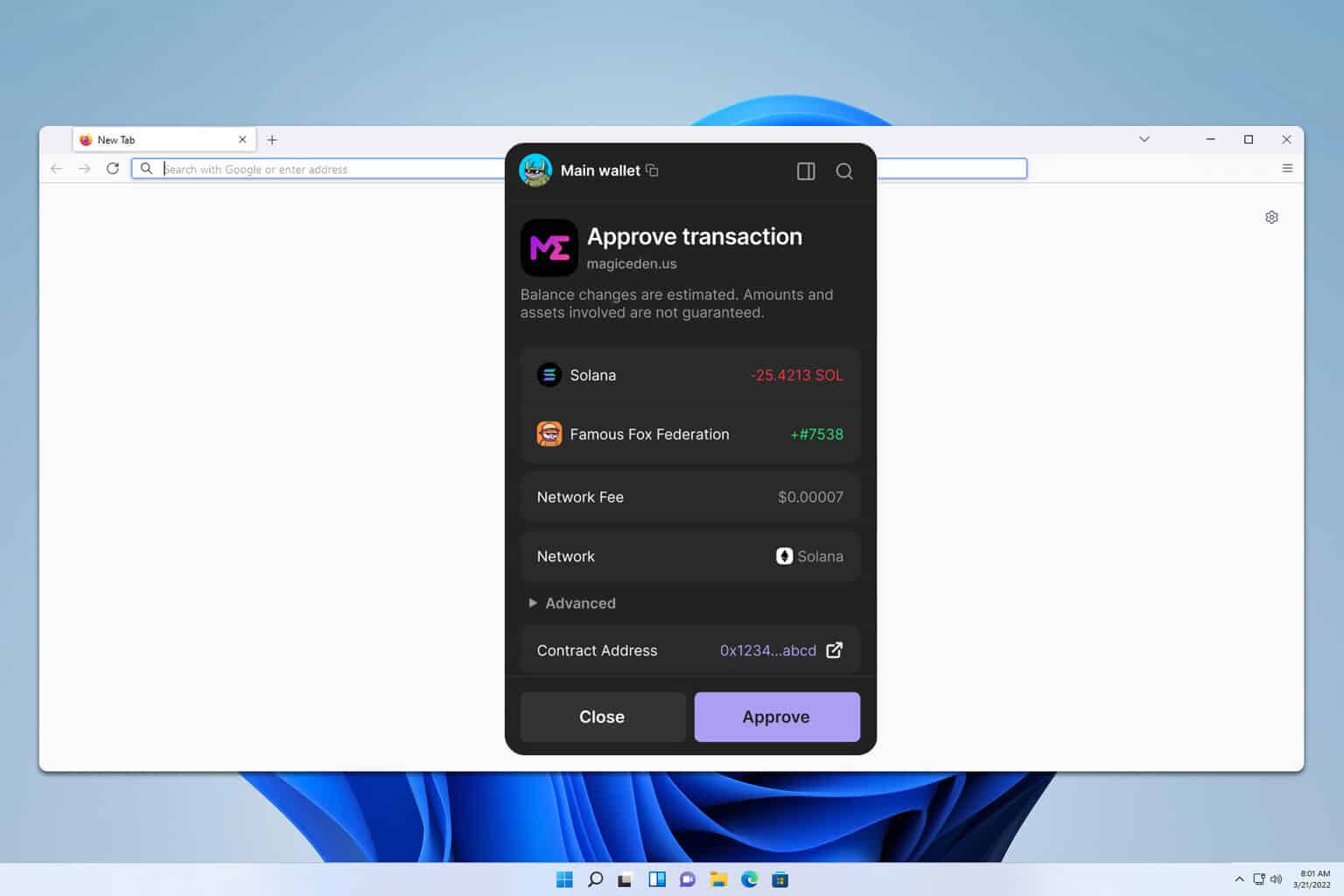
Quick primer: what the extension does and why it matters
Short version: it stores your keys locally, signs transactions, and lets websites request approvals. It’s not a remote custodian. That matters. If you control the seed phrase, you control the funds—simple, but heavy responsibility. I found setup to be fast—under ten minutes if you know where to click. My first impression: very friendly onboarding. Then I dug deeper, and… somethin’ caught my eye about the permissions model.
When a dApp asks to connect, Phantom shows a permission modal. You can review and approve the address only, or allow repeated interactions with that site. That permission choice is small but crucial. Initially I thought “allow” by default, but then I realized that limiting sites lowers attack surface. Actually, wait—let me rephrase that: you should allow only what you trust, and revoke access if things look shady.
Installing the Phantom browser extension
Fast steps first. Head to the official download page—use this link for the phantom wallet download extension. Click the extension store button for Chrome, Brave, Edge, or Firefox, and add the extension. Short pause. Create a new wallet and write down the seed phrase offline. No screenshots. No cloud notes. Period.
Tip: use a password manager to store your password, not a sticky note on your monitor (I know, I’ve done that before—don’t judge). If you already have a hardware wallet, Phantom supports Ledger integration for added safety. That’s worth the extra setup time if you’re moving real value.
Using Phantom with dApps and DeFi
Connecting is simple: click the phantombat—okay, the little fox icon—then pick “Connect” when a dApp prompts. It prompts you to sign transactions; review the amounts every single time. My rule: if a signature popup shows a non-zero “Close Account” or some program ID I don’t recognize, stop. Seriously.
Phantom exposes token balances, NFTs, and a swap interface built on Serum or Raydium liquidity. The in-wallet swap is super handy for quick trades. On one hand you get convenience; on the other hand there’s slippage and rug risk—always set slippage tolerances and double-check pool routes. I had a trade where slippage ate a chunk because I skimmed the details—lesson learned, the hard way.
Security practices that actually help
Write down your 12/24-word seed phrase and store it somewhere physical. Two places are better than one. If you use Ledger, keep the firmware updated. Use separate wallets for high-value holdings and daily-use funds. I’m not 100% sure if I should say this loudly, but mixing funds across multiple addresses reduces single-point-of-failure risk.
Phantom also offers a small “View on Solscan” feature for transactions. I tap it constantly. It helps verify program IDs and confirm weird token transfers. Oh, and check approvals: Phantom allows you to view and revoke dApp approvals—use that after interacting with a new contract. This part bugs me when people skip it; revoking reduces lingering access and is one of the simplest hygiene steps.
Troubleshooting—what I ran into
Sometimes the extension freezes after a browser update. Disable and re-enable the extension to reset it. If that fails, restart the browser and clear the cache for that site only. If phantom won’t open at all, re-installing can rebuild the extension state, but backup your seed first. Yep, backup first. Always.
On mobile, Phantom has an app; but the extension is where I do heavy-lifting for NFTs and DeFi. The mobile app is convenient for quick checks—send or receive on the go—but desktop stays my primary interface for complicated transactions and ledger use. (oh, and by the way… if you move NFTs, check creator royalties settings where applicable.)
Privacy and ecosystem caveats
Solana is fast and cheap, which is a huge advantage for experimentation. But that speed also means spammers and dust tokens exist. Expect noise. Your address is public; anyone can look up balances. If privacy matters, consider generating a fresh address for each dApp or use a mixer if you really need obfuscation—though mixing has legal and ethical considerations.
On balance, Phantom balances UX with a reasonable security model, but it is not the final word. There are tradeoffs for centralization, and the extension model itself provides an attack surface—browser vulnerabilities, malicious sites, clipboard hijacks. Be cautious about copy-paste addresses; Phantom gives a “Confirm address” prompt, but human error still happens. I once watched a friend paste a wrong address and send NFTs into the void—ouch.
FAQ
Is the Phantom extension safe to install?
Yes, generally—if you download it from the official link above and keep your seed phrase offline. Use Ledger for extra security and check extension permissions regularly. If something feels off, pause and investigate before approving transactions.
Can I recover my wallet if I lose my device?
Yes. Restore with your seed phrase on a new install or compatible wallet. If you lose the phrase, there’s no recovery. That’s why physical backups matter—store them like you’d store an important legal doc.
Alright—closing thought: my excitement started with the UX and stayed because Phantom made Solana feel accessible without much friction. My instinct said this would be messy; it wasn’t. That said, nothing replaces good security discipline, and I’m still watching for ecosystem tweaks that could change my opinion. For now, Phantom is what I recommend to friends who want to dive into Solana dApps without deep technical headaches. Go slow. Test small. And keep those seed words offline—seriously, do that.